Skip to Content

Insight Award for Visual Journalism

2026 Nonprofit News Awards

Honors a single story or a series of stories that uses photography and/or other visual media to more accurately portray a community that has traditionally been underrepresented or misrepresented in news media.

Jump to:


Insight Award for Visual Journalism – Micro division

Riverside Mobile Home Park series by Stephen Zenner

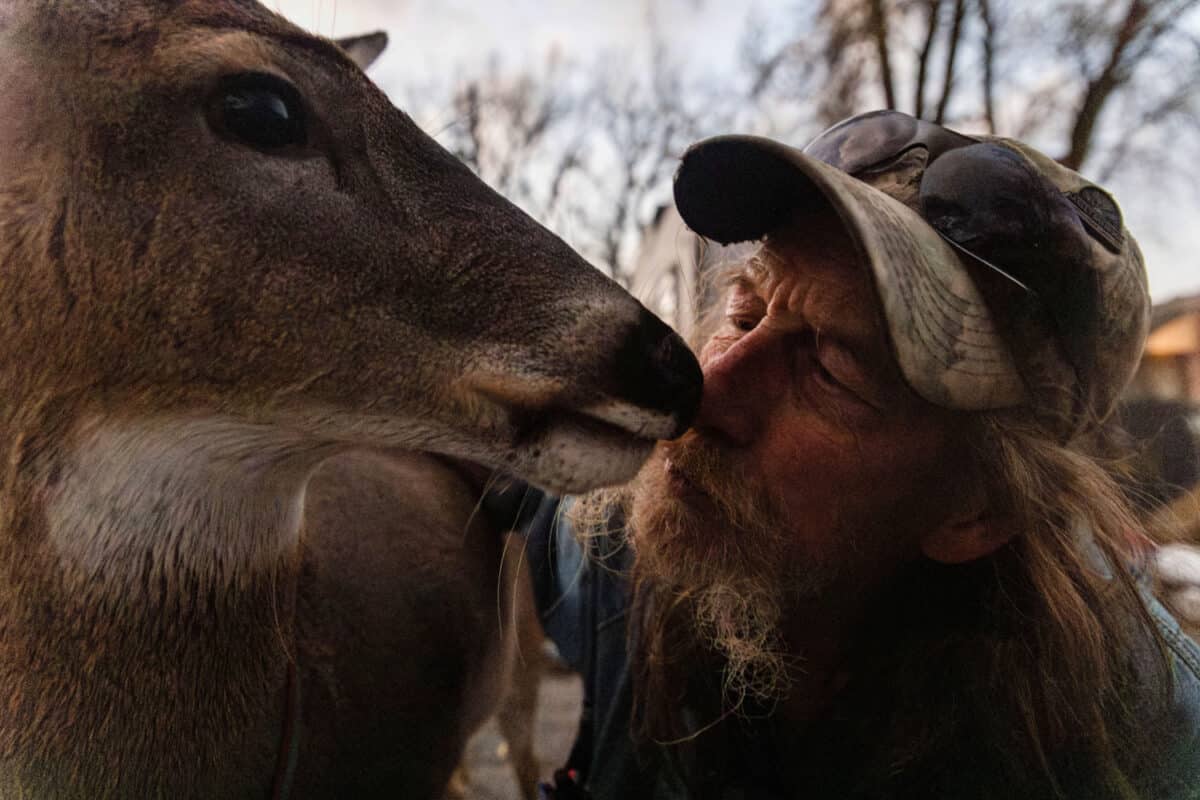
Stephen Zenner’s pictures show snapshots of the lives of people uprooted from a Rossford, Ohio, mobile home park. In the photographs, people sort through mementos or load overflowing boxes onto moving vans. One photo shows pets sleeping on a shared bed at a hotel. Another shows someone holding a broken piece of a sewer line. A photo captures a pile of rubble — the remains of a mobile home park city officials declared uninhabitable, forcing residents to find new places to live. 

The razing of Riverside Mobile Home Park followed years of residents enduring broken sewage systems, rodent infestations and many other unsafe living conditions stemming from the neglect of an absentee landlord. 

In images and text, Stephen Zenner captured the nuances of the situation and the people who pulled together as conditions in the mobile home park worsened, ultimately facing housing insecurity. 

“This is stunning and moving documentary photography, giving us an intimate view of people who are being devalued and discarded by absentee property owners and uncaring and unseen government bureaucrats,” a judge said. 

The photography includes intimate portraits that “are powerful and moving,” a judge said. “And because the story and the photos offer a glimmer of hope, the reader can’t help but feel inspired by people working collectively to survive and care for each other.”

Condemned: The plight of Toledo’s Riverside residents Nov. 17, 2025

The emptying of Riverside Mobile Home Park Nov. 20, 2025

Life after Riverside Jan. 3, 2026


Insight Award for Visual Journalism – Small division

An Immigrant Came to San Francisco for Work. One Injury Changed Everything by Pablo Unzueta

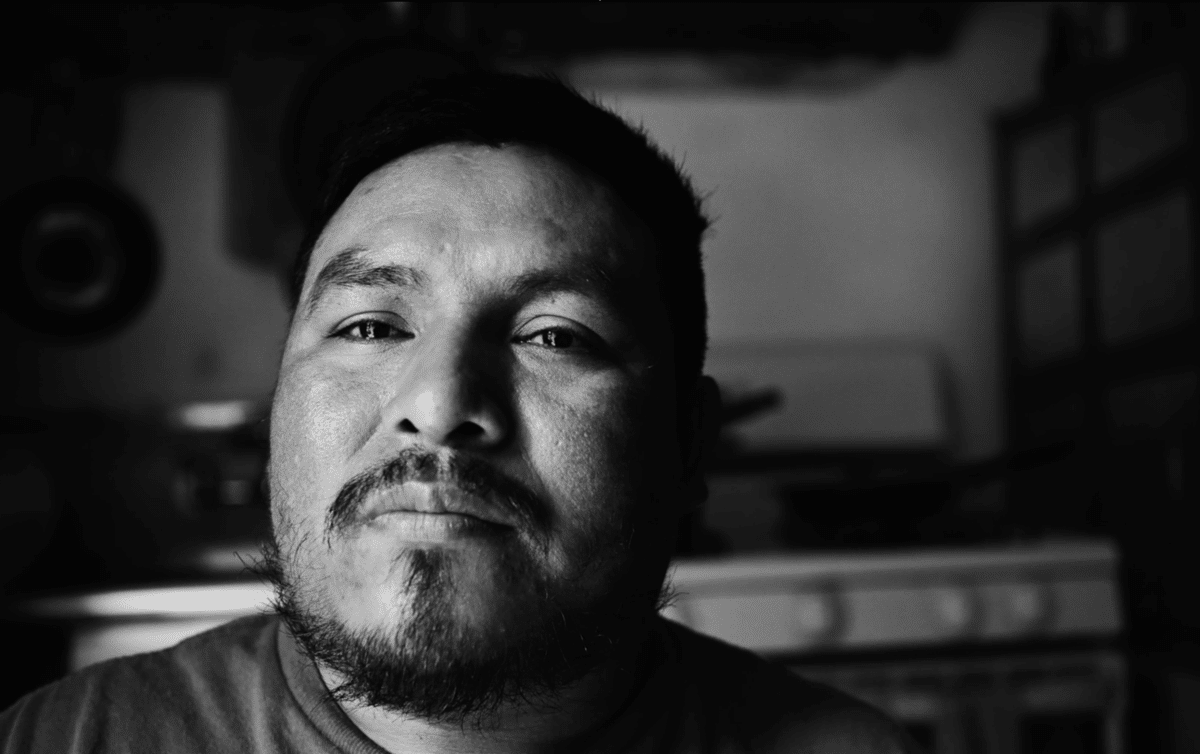
The opening image is a large, black and white gif of a straight-faced man with a scraggly beard. At first, he’s looking away. Then he looks forward, seemingly staring, for several seconds. 

The image, along with the rest of the photographs and narrative, do something that doesn’t happen often: It centers a day laborer. 

In this case, Pablo Unzueta’s photographs and story for El Tecolote tell the story of Jacento B., a day laborer in San Francisco. Or, as Unzueta explained, Jacento is among the ranks of “men who wait on street corners for painting, demolition or landscaping jobs. They are the unseen backbone of the city’s economy, taking on its most dangerous and least protected work.”

Jacento survived a major accident while helping to move heavy equipment. He lost his left leg. He almost lost his life. 

More black and white photos, some static and some gifs, show Jacento navigating his home on crutches or sitting streetside, panhandling. There are pictures of him at physical therapy and sitting on a cot with his prosthetic leg.

“This entry is a beautiful example of the power of visual journalism to connect readers with the stories of the people around them,” a judge said. “Not only were the videos and photographs themselves of high quality, but the presentation of the visuals was stunning. The visuals in this story truly elevated the piece to the next level, drawing out the humanity behind the writing. Great work!”

An Immigrant Came to San Francisco for Work. One Injury Changed Everything Aug. 14, 2025


Insight Award for Visual Journalism – Medium division

Hidden in Plain Sight by Eleonora Bianchi

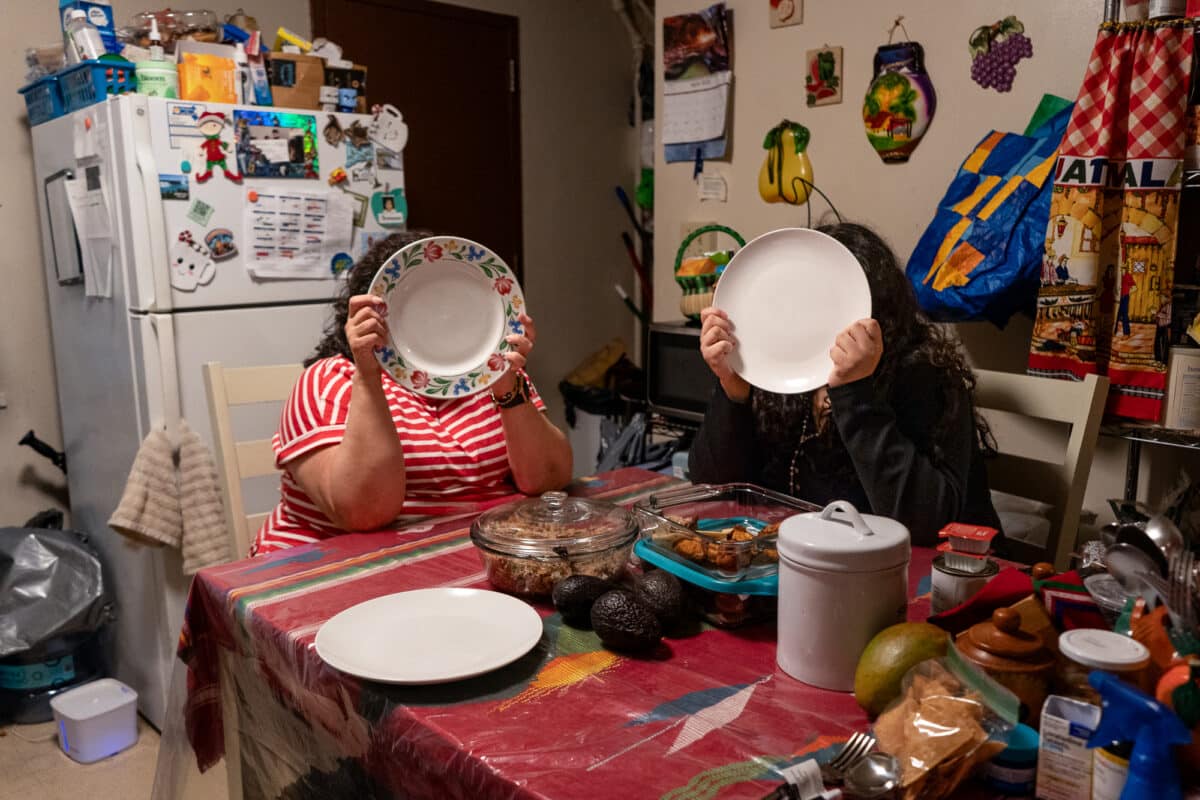
No one is looking at the camera in Eleonara Bianchi’s photographs of immigration raids in a small Guatemalan community in Massachusetts. Instead, a subject’s back is turned or they hold an object — a cat in one case, and a vase of roses in another — in front of their face. 

Some photographs show a meal a father had prepared for the family but never got to eat. He was arrested during a raid by Immigration and Customs Enforcement, or ICE, agents. Another photograph shows wood splinters on the floor — remnants of the door and frame the agents burst through. 

The photographs are part of a series about ICE raids in New Bedford, Massachusetts, and the state’s South Coast. Those photographed had experienced immigration arrests. Despite their fear, they shared their stories with the New Bedford Light. Bianchi asked them to conceal their faces behind symbolic objects or to turn away from the camera as a way to protect their identities while honoring their presence.

“The danger of hiding the subjects faces in a photo is that it can lead to cliché. In this case it works, because of the threats from immigration enforcement,” a judge said. 

“The photos have humanity and a sense of immediacy, as if you are living the horror.”

Two Guatemalans detained in early morning ICE raid in New Bedford March 21, 2025

Guatemalan immigrant in U.S. for 30 years arrested by federal agents May 6, 2025

After the raid, a teenager steps up to care for her family June 17, 2025


Insight Award for Visual Journalism – Large division

These Neighborhood Groups Are Fighting to Rewrite Brownsville’s Legacy of Violence by Robert Gerhardt

Brownsville, a neighborhood on the east side of Brooklyn, New York, has endured decades of disinvestment. It also has one of the city’s worst gun violence rates and one of the largest concentrations of public housing in the city and the nation. 

But there’s much more to Brownsville than violence, crime and poverty. Residents and leaders are working to improve the quality of life in their community and combat the challenges that mar the neighborhood.

“Brownsville, I’ve found, is a place where people help people,” Robert Gerhardt said. 

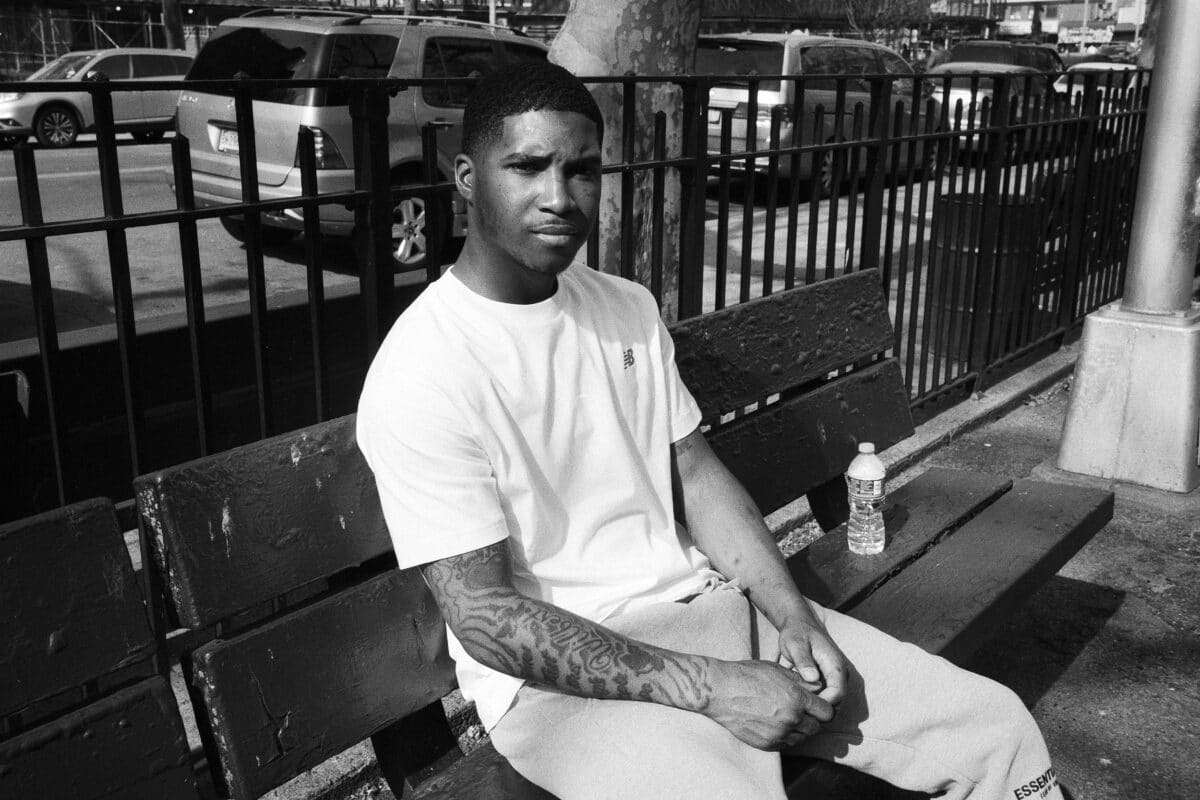
Gerhardt captured the fullness of the tight-knit community in black-and-white photos for The Trace. One picture shows two men dapping. The caption reveals that one man, who’s seated and smiling broadly, was shot by a rival when he was 14 years old. Now he’s a program manager for an anti-gun violence initiative. 

Another photo shows women from the Nation of Islam handing out free meals. In one image, a crowd of children huddles as two tug at opposite sides of a car tire during a football competition.

Other pictures capture community members serving food, dancing, playing basketball, and going about their everyday lives.

Gerhardt adds context to each scene in a narrative that quotes Brownsville residents about the neighborhood’s challenges and the related response. 

“The narrative framing is where this piece’s editorial vision is strongest,” a judge said. “For me, this isn’t a story about gun violence, it’s about the people fighting gun violence. That distinction is everything, and the visual work reinforces it. The images center community groups, faith leaders, basketball tournaments, food programs, parades. The black-and-white film aesthetic elevates the work, gets intimate, and poetic.”

These Neighborhood Groups Are Fighting to Rewrite Brownsville’s Legacy of Violence Oct. 17, 2025

Back to Top
Back to top