Across rural America, schools are more than places where students learn. They are community anchors—connecting families to services, activities and one another. What happens when those institutions face mounting pressure?
As rural schools face declining enrollment, shifting learning models and growing demands on limited resources, the consequences extend far beyond the classroom. A new collaboration, “Common Ground: What Rural Schools Mean to Communities,” combines on-the-ground reporting from newsrooms in INN’s Rural News Network (RNN) with data analysis from Big Local News at Stanford University to examine what rural schools provide their communities, who is most affected when those supports erode and what their future means for community sustainability.
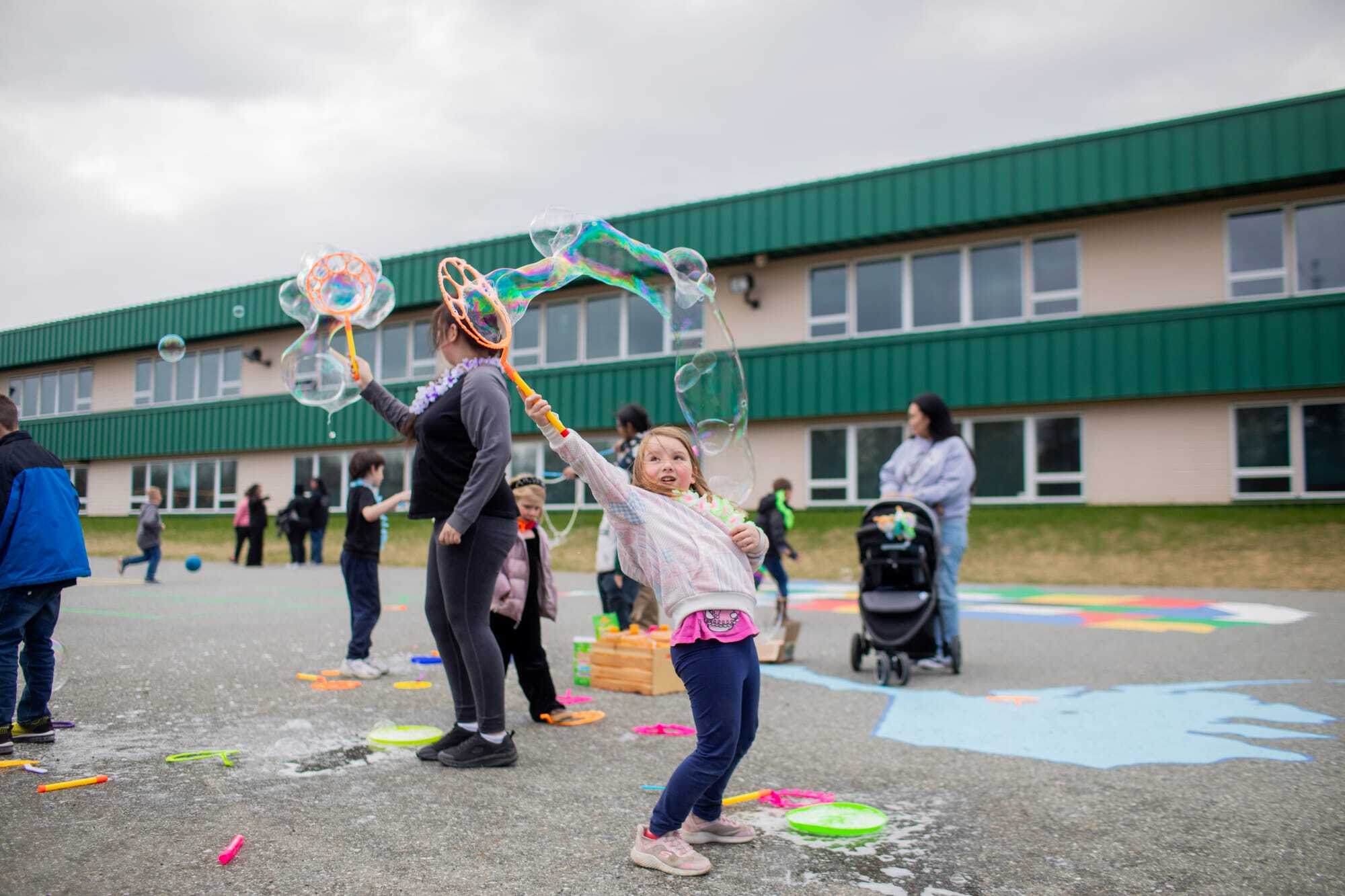
Over the next year, six nonprofit newsrooms spanning Northern California, Greater Minnesota, Alaska, Mississippi, Ohio and Texas will each produce four data-driven stories examining the distinct roles rural schools play in their communities and what is at stake as those roles evolve.
“RNN journalists are uniquely positioned to tell the story of what a rural school means to its community because they see those connections up close,” said Alana Rocha, INN’s director of collaborations and rural initiatives. “For many people, the school is common ground — a place to access services, play sports or gather with neighbors, whether they have a child enrolled there or not. By pairing that on-the-ground reporting with data analysis from Big Local News, we can put those local stories into a broader context and better understand what happens when that common ground begins to shift or disappear.”
“Data can help us see trends and understand the scale of what’s happening in schools, especially in rural areas, but data alone can’t always tell the whole story,” said Cherry Salazar, data journalist at Big Local News, noting that especially in small, rural districts, data may be suppressed, unreported or outdated.
“Local journalists bring a deep understanding of the communities they serve, giving us context and insight into the lived experiences of children and residents,” she added. “The value of this collaborative project lies in the symbiosis of these approaches to journalism to tell stories that can drive meaningful change.”
This is critical reporting for rural communities and it needs to reach the people who need it the most to have its full impact. INN is supporting RNN newsrooms both in producing impactful reporting, but also in expanding its reach through social media, new partnerships and stronger systems that bring people back to local news sites for education coverage and more.
The reporting: 24 stories, 6 newsrooms, 6 states
The collaboration will unfold in four phases, moving from what rural schools provide to what happens when those supports are strained and, ultimately, what their future means for the communities they serve.
1. Community Anchors, August–September 2026
The series begins by examining the often-overlooked role rural schools play as community anchors. Using data from Big Local News, reporters will map the reach and importance of schools beyond the classroom—from gathering spaces and community services to hubs for sports, food assistance and other programs.
2. Mounting Pressures, Fall 2026
The second phase will examine the cascading effects of declining enrollment and fragmented learning models. Reporting will explore what those shifts mean for school funding, staffing, student support and the broader communities that rely on these institutions.
3. Meeting Student Needs, Spring 2027
The third phase will focus on the students themselves, examining programs and services such as youth mental health support, English language learning and special education. Reporters will explore what happens when limited resources intersect with students whose needs may be especially difficult to meet in rural communities.
4. What’s at Stake, Summer 2027
The collaboration will conclude with a forward-looking examination of the future of rural schools and the communities around them. The final stories will consider how the erosion—or reinvention—of rural schools could shape local economies, workforce pipelines and the long-term sustainability of rural communities.
“Common Ground” is a collaboration of INN’s Rural News Network and Big Local News at Stanford University, with data journalist Cherry Salazar’s analysis helping to anchor the reporting. Six nonprofit newsrooms are involved: BenitoLink, KAXE, Mat-Su Sentinel, Mississippi Today, Oxford Free Press and The Texas Tribune. Support from the Walton Family Foundation made this project possible.