
People are growing more skeptical about the value of higher education. More rural residents are graduating from high school, but people in those communities remain less likely than their suburban and urban peers to continue their education. This five-part series from the Rural News Network explores how institutions and students are meeting their educational needs and the demands of today’s rural workforce.
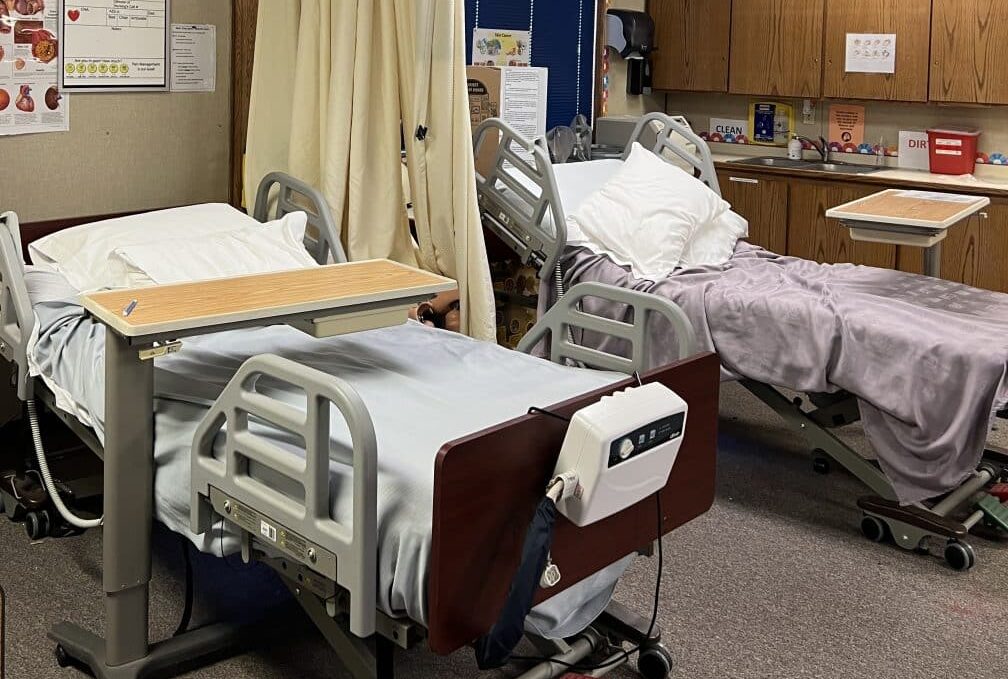
Coordination is in progress, but no one knows yet how well the money being poured into career education statewide helping to fill labor needs for high priority fields, region by region.
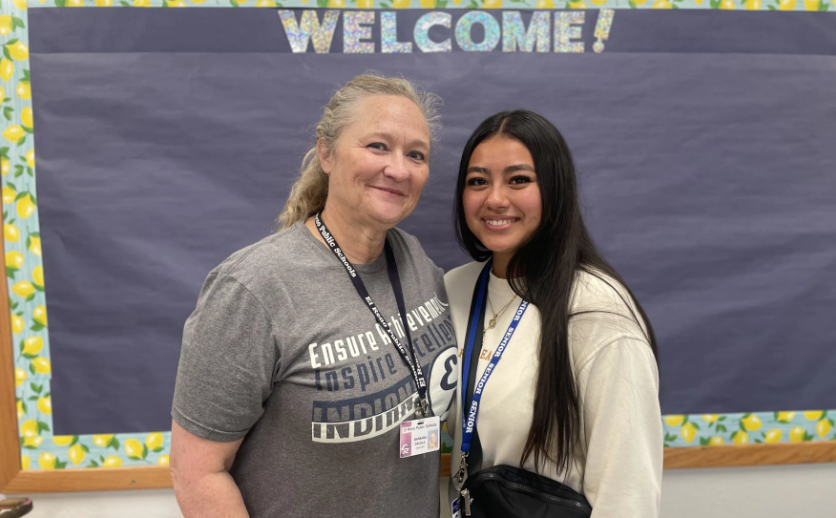
Hundreds of Oklahoma high school seniors will graduate next month. On top of the end-of-year jitters and finals, prospective college students are completing FAFSA paperwork – but not always in English. Some students and their families need bilingual resources to take their next steps after graduation.

For colleges tasked with shepherding the state’s ambitious workforce development programs, meager funding means they’re educating students in facilities that are falling behind the conditions of private industry.
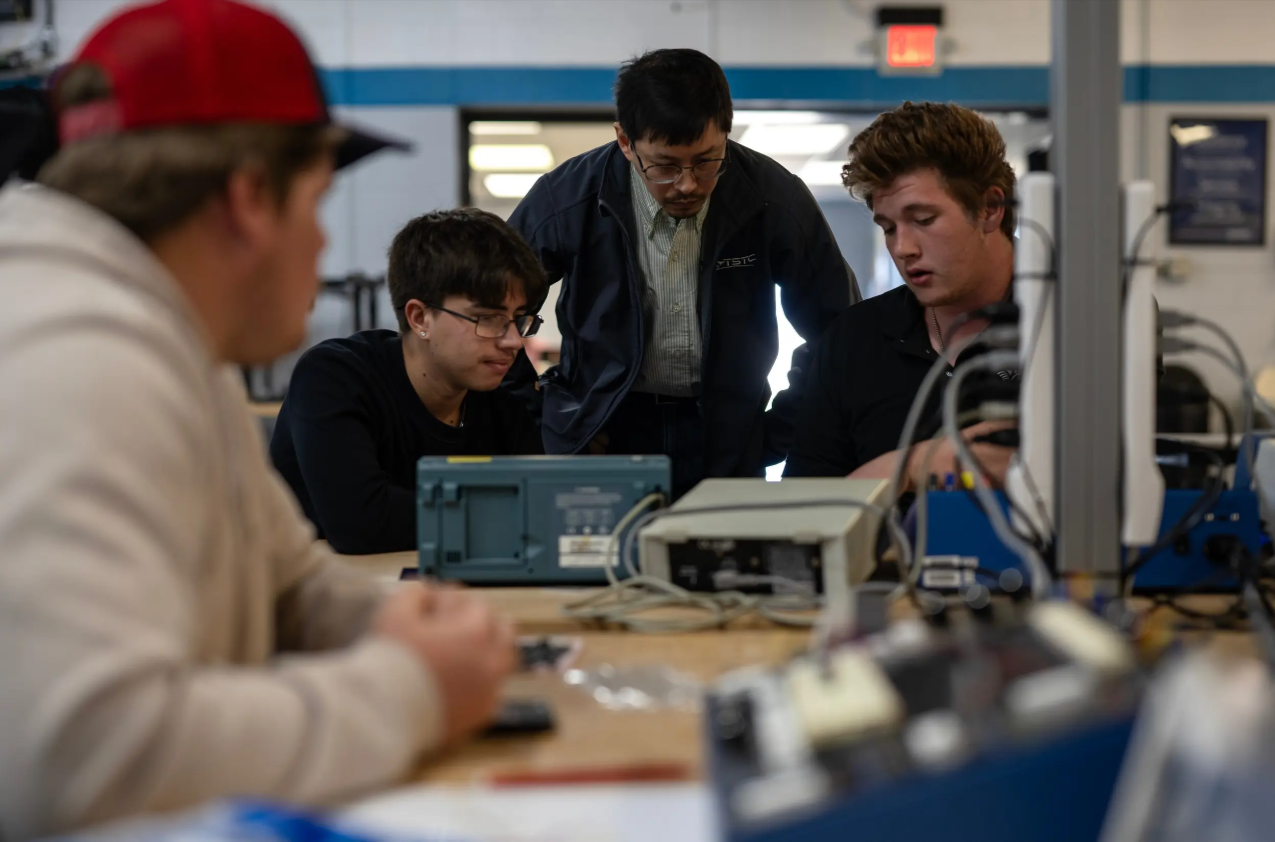
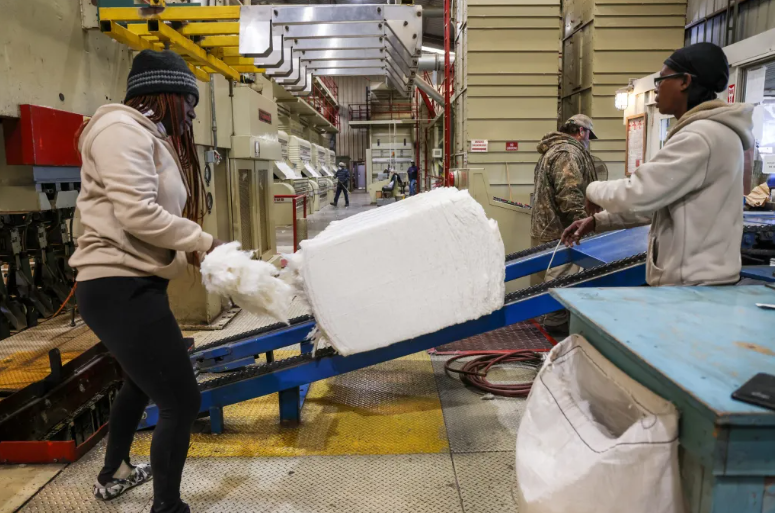
The wind industry promises attractive salaries. But a lack of training programs and waning political support make it difficult to find new recruits.
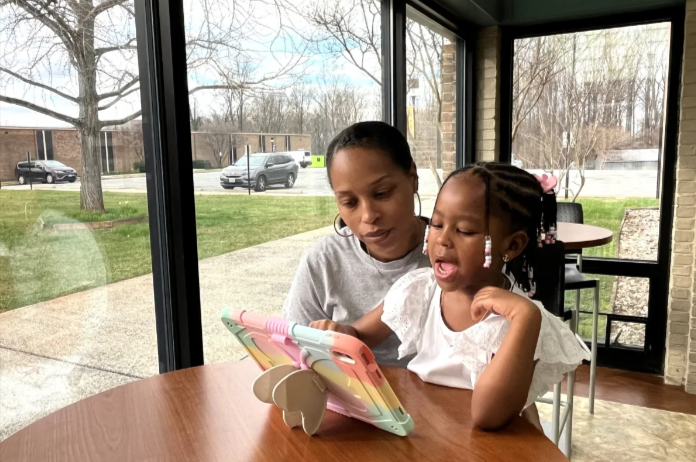
Among the solutions: A handful of colleges offer on-campus child care, and a statewide pilot program is providing child care stipends for single parents. But the need remains great.

Rebuilding Shasta County’s workforce will increase the quality of life for this generation, and those to come. But filling workforce gaps will require educators to overcome economic, informational, social and logistical barriers.
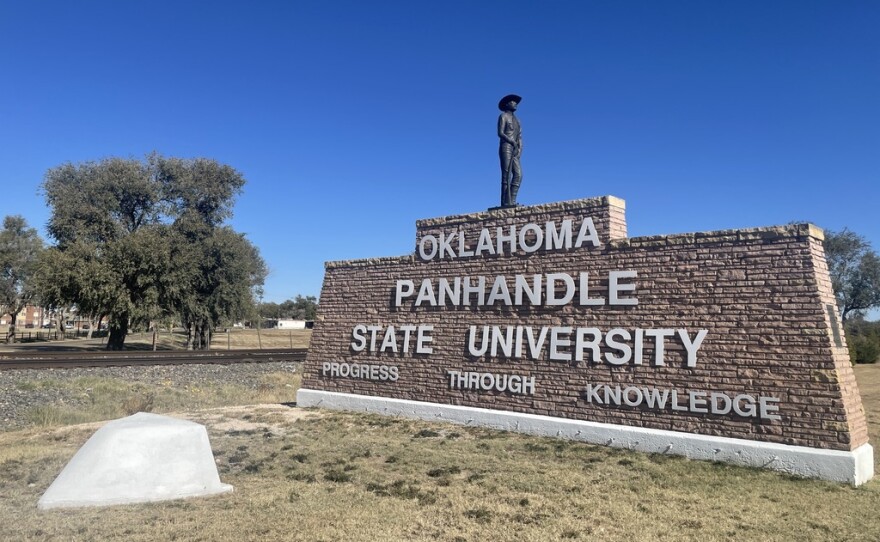
The state’s Hispanic population and workforce have grown, requiring more programs to ensure job readiness.
To survive, Texas community colleges have to prove their worth. But residents of this rural north Texas town are questioning what’s right for them.
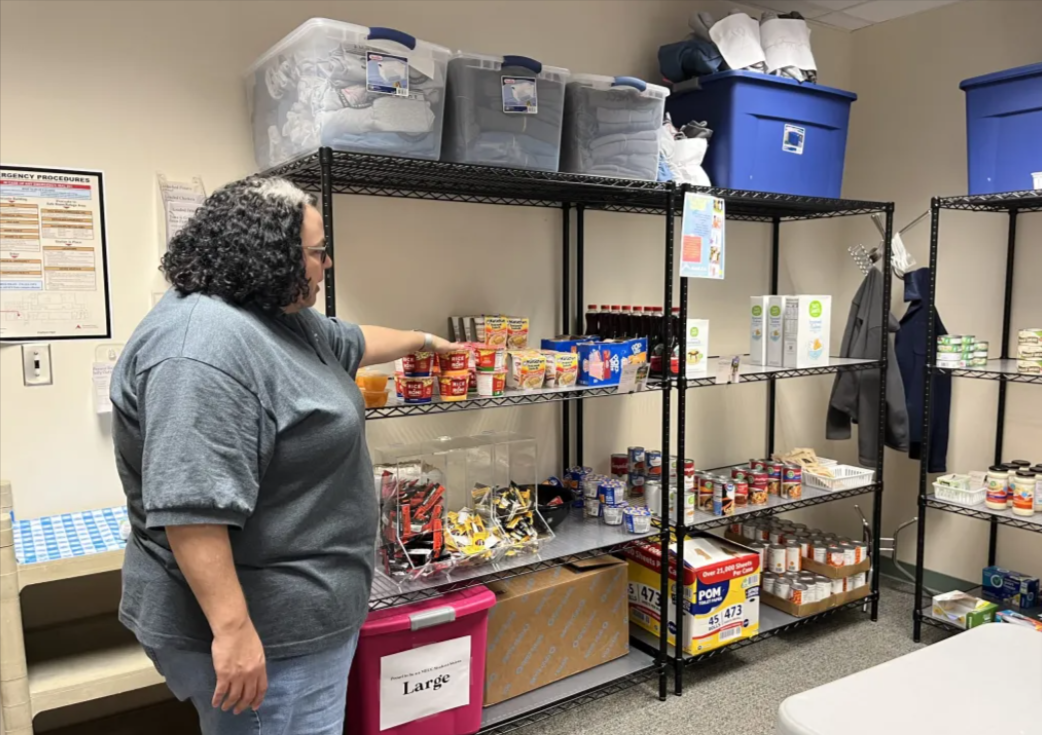
Free tuition programs might entice students to enroll in community college, but they don’t cover gas or child care, or put food on the table.
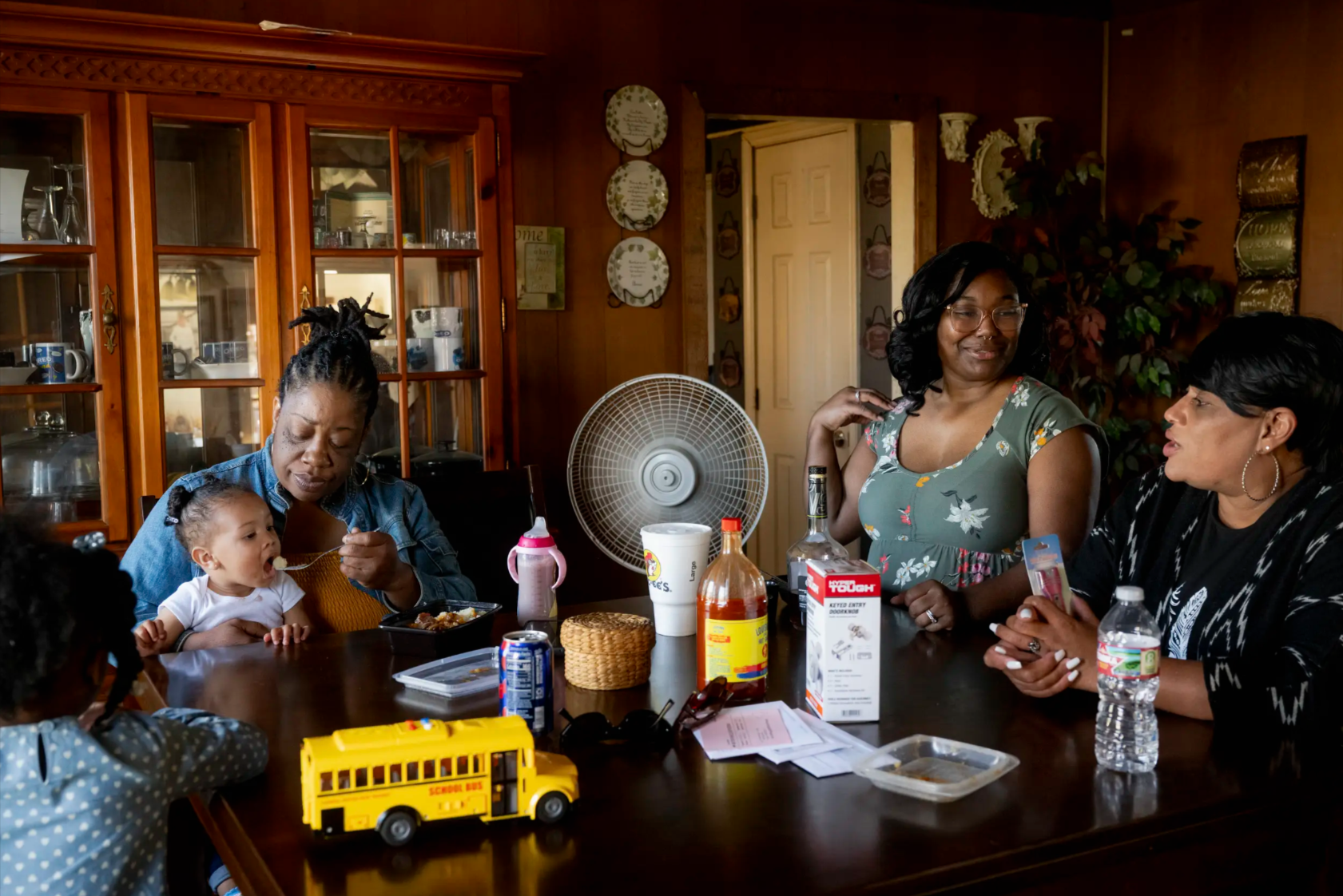
Inside Issaquena County, Mississippi, where just 42 adult residents have at least a bachelor’s degree.
This reporting is part of a collaboration between Shasta Scout, Mississippi Today, Cardinal News, The Texas Tribune and KOSU. Support from Ascendium Education Group made the project possible.

Know what’s new in nonprofit news.
Receive our weekly INNovation newsletter that explores the latest in nonprofit news - from INN's expert insights and research to what's new in the industry, plus job opportunities and invitations to events.
"*" indicates required fields