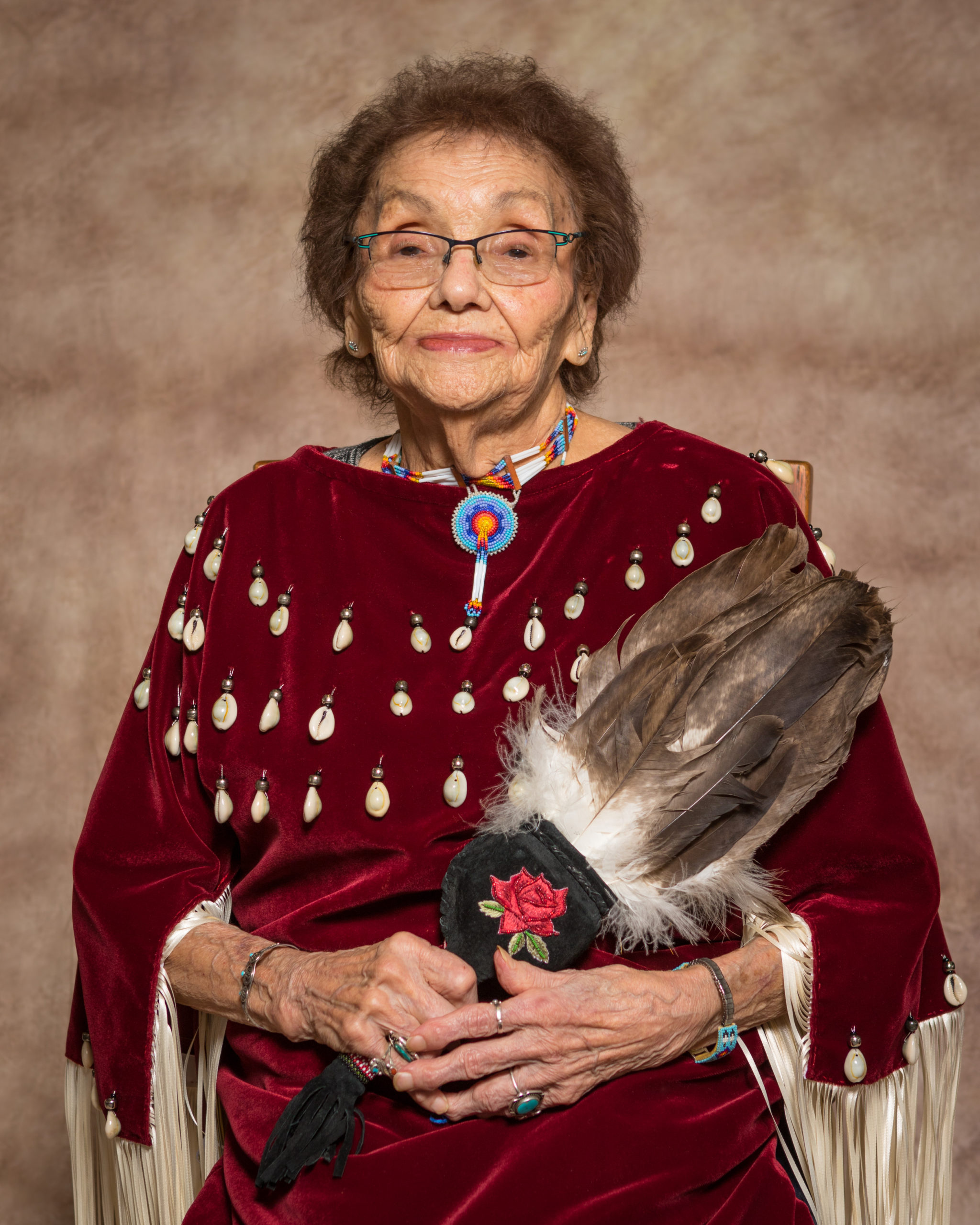
On a recent winter afternoon, Spokane Tribal Elder Viola Frizzell spoke about the changes she had witnessed on the reservation in her lifetime, and how today’s opportunities were different.
It would be her last interview.
“If I wasn’t in a wheelchair, I would be out there working,” Frizzell told Monica Peone, Editor/Manager at the Rawhide Press, the Spokane tribe’s news outlet. “Please young people go to college, please go to school, use the money that is offered to you so you can get your education.”
Frizzell, the oldest citizen of the Spokane Tribe until she died March 10 at age 97, shared her message as part of a series investigating the state of the economy in rural Indian Country. Rawhide Press was one of 10 newsrooms brought together by the Institute for Nonprofit News to explore how to best represent and reach Indigenous communities facing generation-defining economic challenges. This series is an early example of the signature projects that will come from the Rural News Network, which will fully launch later this year.
“At the Crossroads” launches today with a report on the ‘stealth’ economy for tribes from Indian Country Today. The series was made possible through funding from the Walton Family Foundation.
“When nonprofit newsrooms partner with tribal media, their collective strengths lead to powerful reporting that reflect and reveal the complex picture of rural Indigenous communities,” said Jonathan Kealing, INN’s Chief Network Officer. “This is a terrific demonstration of the power of INN’s Rural News Network to elevate important stories in the national consciousness and connect geographically dispersed newsrooms to enable them to collectively tell their stories.”
The collaboration participants are INN members Indian Country Today, InvestigateWest, Buffalo’s Fire, KOSU, New Mexico In Depth, Wisconsin Watch and Underscore. They are joined by the Rawhide Press, Mvskoke Media and Osage News. Seven participants are members of the Native American Journalists Association (NAJA), which provided guidance on the development of the collaboration.
“NAJA is excited to see results from this collaboration between so many exceptional outlets. This project is long overdue, as the economy in our communities is the lifeblood of our success and this group is well-suited to find the stories others aren’t,” said Acting Executive Director Sterling Cosper. “We hope these communities find insights in the coverage that spur discussion on how to improve their financial well-being and look out for their own best interests. We also hope this group of excellent reporters learns a lot from one another to carry forward to future impactful coverage.”
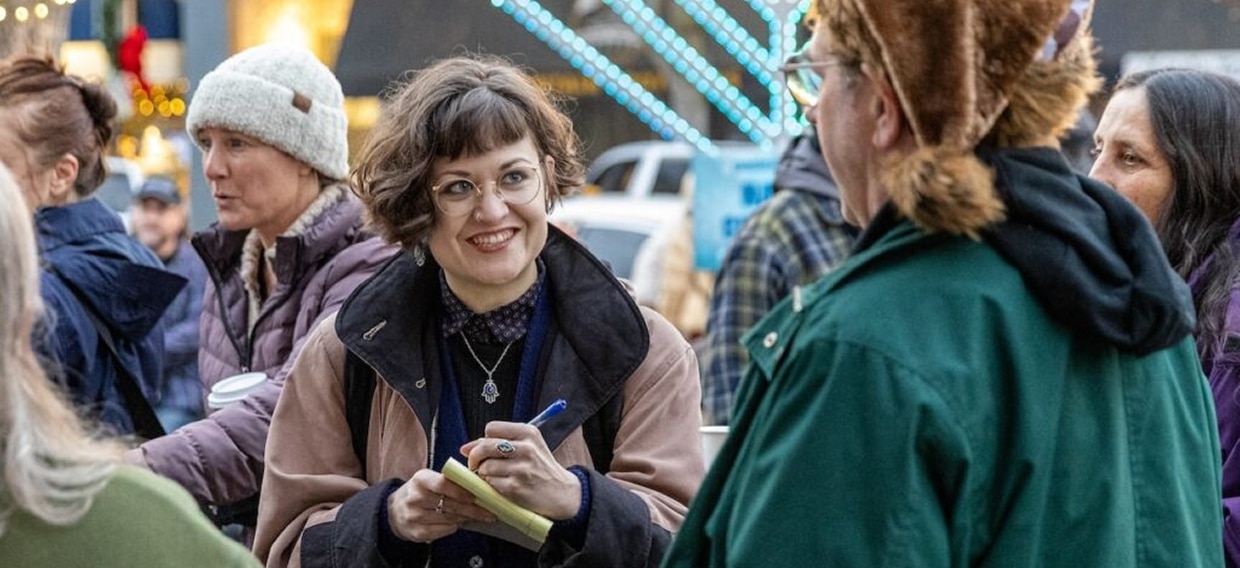
Typically Peone said she covers community events — grand openings, sports highlights, fires.
“But to actually get into systemic oppression and lateral oppression on the reservation…it was a different type of reporting completely,” she said.
Delving deeper into the underlying issues confronting Indigenous communities was one of the crucial components of the collaboration, led by series editor Dianna Hunt, Senior Editor at Indian Country Today.
Through individual check-ins and group calls every week over five months, Hunt and INN Member Collaborations Editor Bridget Thoreson worked with collaboration participants to explore the common themes they surfaced on reservations and rural communities in Oklahoma, Oregon, New Mexico, North Dakota, Washington and Wisconsin.
“What’s really been important to me is the ability to tap resources all over the country for a big project that any one of us individually probably would not have had the resources to do,” Hunt said.
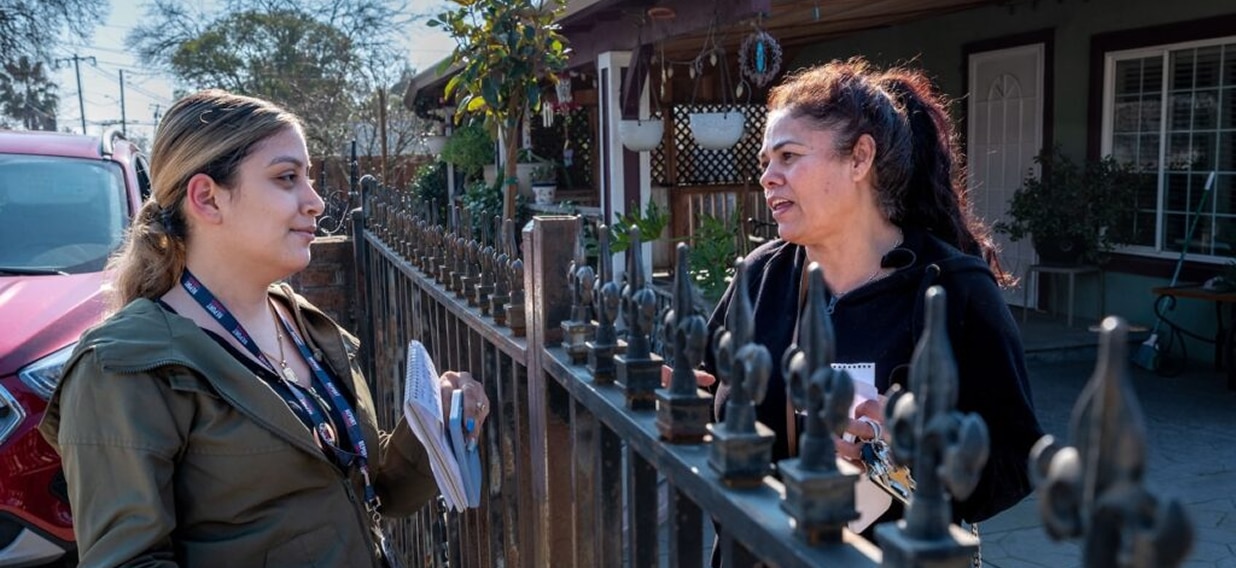
The series was shaped by ambitious collaborative engagement outreach, with each outlet distributing an employment survey. The survey generated hundreds of responses from people representing more than 130 tribes in 38 states and the District of Columbia. More than 90 percent of respondents said they are tribal citizens or of tribal descent, and nearly three-fourths live on or near tribal lands.
Equipped with the survey findings, participating newsrooms set out to report on the many ways tribes are grappling with the legacy of the past while charting a course for the future. This series examines environmental and agricultural sustainability initiatives, the urgency around finding revenue streams outside casinos, a new moneymaker in minor-league basketball, the future of green energy, obstacles for finding jobs on reservations, a new push to clean up abandoned uranium mines, the need for new partnerships in local communities and the hidden costs to the country’s biggest oil boom.
“This project has been an invaluable learning experience, both in the content that we gathered and also learning about what it takes to report sensitively on tribal nations,” said Wisconsin Watch Investigative Reporter Mario Koran.
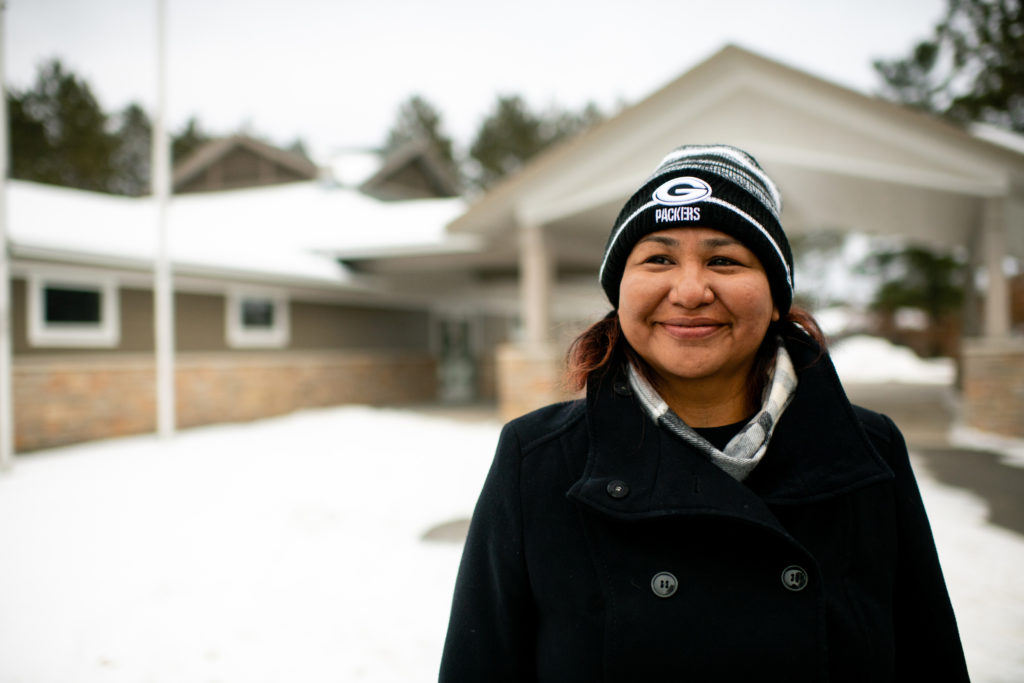
Wisconsin Watch hired Anne Thundercloud, a Ho-Chunk citizen and public relations consultant, to arrange interviews, gain photography access and understand cultural norms. Koran said her work was crucial for him to access needed information. (Read more from Wisconsin Watch: How we reported on challenges and opportunities for Wisconsin’s tribal economies.)
“Frankly, I’m surprised that more newsrooms haven’t done this,” Koran said. “We were at risk of producing a very narrow story through our own lenses, and the lenses of the dominant culture. I think the story is a lot better for the approach we took.”
Collaboration partners were either already connected to rural Indigenous communities or deeply committed to understanding them, Hunt said, making reporting possible that would not happen with a parachute-in approach.
After the project concludes, INN will produce a report looking at the project’s impact, as well as lessons learned for future collaborations involving tribal outlets and communities.
“What has impressed me most is the depth of each of the stories that have been turned up,” Hunt said. “I think every single one of the partners has come into this looking for one story and come out with five or six or seven. … Without a doubt, there will be follow-up stories to the stories we are doing now.”
For Peone of Rawhide Press, it was meaningful to directly address the concerns of people on the Spokane reservation.
It’s necessary, she said, to look beneath the surface through reporting like this to address the challenges and explore the solutions in rural Indigenous communities.
“Being a sovereign nation, they have the power to change, they can change their policies,” Peone said. “There can be a positive change in this.”
Learn more
Join us May 24 for a free webinar, hosted by Indian Country Today’s Dianna Hunt, on lessons learned on reaching and representing Indigenous communities from the “At the Crossroads” collaboration. Panelists include Mario Koran of Wisconsin Watch and Anne Thundercloud, a Ho-Chunk citizen and public relations consultant. Sign up here.